
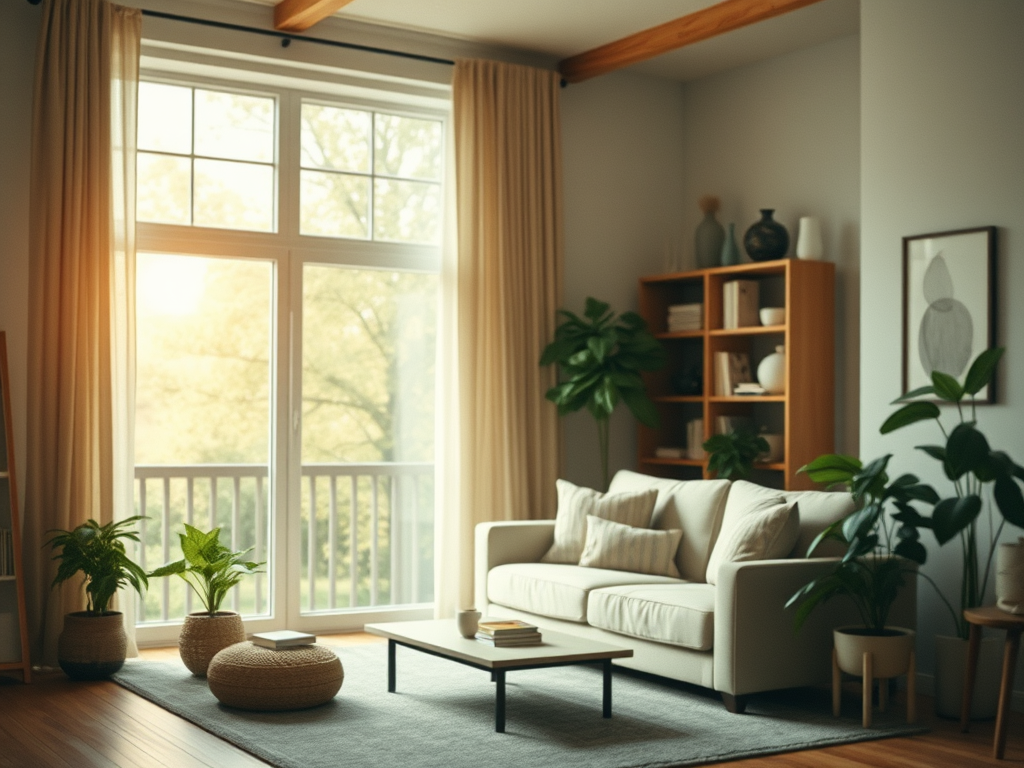
Step into your home. What do you feel? Is it a sanctuary, a place where you can exhale and truly be yourself? Or does it think… heavy? Overcrowded? A constant reminder of tasks undone and things accumulating? For many, our physical spaces mirror our mental state. A cluttered home can often translate to a cluttered mind, making it challenging to find the inner peace we so desperately crave, especially in our demanding world. But imagine the relief, the liberation that comes from decluttering, from letting go of what no longer serves you.
For introverts and sensitive individuals, the impact of our environment is profound. External chaos amplifies internal unease, making it harder to recharge and connect with our inner selves. This isn’t just about aesthetics; it’s about creating a physical space that actively supports your emotional well-being.
It’s time to explore the transformative connection between your surroundings and your soul. This guide helps you understand how an intentional home fosters inner peace by embracing decluttering principles and creating a sanctuary that truly nourishes you. Decluttering is not just about your physical space; it’s about your personal growth and empowerment.
What Is an Intentional Home?
An intentional home is thoughtfully curated to serve your needs, passions, and daily rhythms. Rather than accumulating items by habit, you choose furniture, décor, and rituals that enhance comfort, creativity, and connection. Every object and layout support a purposeful, harmonious lifestyle.
Why It Matters
When our surroundings feel cluttered or disjointed, stress levels rise, and focus dwindles. An intentional home helps you:
- Reduce decision fatigue by streamlining choices
- Foster calm through organized, welcoming spaces
- Cultivate mindful routines that center your day
- Strengthen relationships by creating shared gathering areas
What kind of feeling does your home currently evoke for you?
Your feedback is valuable and can inspire others on their decluttering journey. (Share in the comments!)
Featured Quote: “Have nothing in your house that you do not know to be useful or believe to be beautiful.” – William Morris.
This principle guides our journey towards an intentional space.
Affiliate Disclaimer: Please note: This post contains affiliate links. If you purchase through these links, I may earn a small commission at no extra cost to you. This helps support Glow After The Storm, enabling me to continue providing valuable content.
Is Your Home Draining Your Energy? (Quick Self-Assessment)
Take a moment to reflect on your current living space. Answer these questions honestly:
- 1. Do you have areas in your home that you actively avoid because they feel cluttered or overwhelming? (Yes/No)
- 2. How often do you spend time looking for misplaced items? (Daily/Weekly/Monthly/Rarely)
- 3. Does the state of your home often contribute to feelings of stress or anxiety? (Yes/No)
- 4. Do you own items you haven’t used in over a year (excluding sentimental or seasonal items)? (Yes/No)
- 5. Do you feel your home truly reflects your personal style and brings you joy? (Yes/No)
If you answered “Yes” to several of these questions, it might be time to explore the power of decluttering for your inner peace. Mostly No: Your home already champions intention—now maintain and refine.
What was your overall impression of your home after this quick self-assessment? (Share briefly in the comments if you feel comfortable!)

The Clutter-Soul Connection: Why Your Space Matters
Our homes are more than just physical structures; they are extensions of ourselves. When our living spaces are chaotic and filled with excess, it can mirror and even amplify feelings of:
- Mental Fog: Physical clutter can lead to mental clutter, making it difficult to focus and think clearly.
- Emotional Burden: Each unused or unwanted item can carry a subtle weight of guilt, obligation, or past memories.
- Energy Drain: Navigating a cluttered space can be physically and mentally tiring, depleting your precious energy reserves.
- Reduced Joy: A space that doesn’t reflect your true self or bring you beauty can hinder feelings of comfort and happiness.
For introverts, who thrive in calm and organized environments, this connection is even more significant. A peaceful home provides the essential sanctuary needed for recharging and introspection.
5 Steps to Declutter Your Space and Clear Your Soul
This isn’t about achieving sterile perfection; it’s about creating a home that supports your well-being and reflects your authentic self.
Step 1: Start Small and Choose Your Focus
- The Approach: Overhauling your entire home at once can feel overwhelming. Begin with a single drawer, a shelf, or a small corner. Success in a focused area will build momentum.
- Why it helps: This makes the process feel manageable and less daunting, especially for those who may feel easily overwhelmed by large tasks. It provides a tangible sense of accomplishment early on.
- How to implement: Choose one specific, contained area. Set a timer for 15-30 minutes and focus solely on decluttering that space.
- Amazon Find: “[Set of Stackable Storage Bins https://amzn.to/4lM6Y9u]” can be beneficial for organizing the items you decide to keep within your chosen focus area.
- DIY: Grab three boxes or bags labeled “Keep,” “Donate/Sell,” and “Trash.” This simple system will guide your decisions.

Step 2: The “One In, One Out” Rule (or Similar Intentionality)
- The Approach: For every new item that comes into your home, make a conscious decision to let go of one similar item.
- Why it helps: This prevents clutter from accumulating over time and encourages mindful consumption. It fosters a more intentional relationship with what you bring into your space.
- How to implement: Before purchasing a new item (clothing, kitchen gadget, book), consider whether you genuinely need it and whether you can release a similar item to make space.
- Amazon Find: A book like “[The Home Edit Life: The No-Guilt Guide to Owning What You Love by Clea Shearer https://amzn.to/4fjKaM6]” offers inspiration for organizing and maintaining a clutter-free home with intentionality.
- DIY: Keep a running list for a week of items you considered buying but decided against. This can highlight areas of impulsive purchasing.
Do you think the “one in, one out” rule could be easily implemented in your life? Why or why not? (Share your thoughts!)

Step 3: Ask the Tough Questions (Beyond “Do I Like It?”)
- The Approach: When deciding whether to keep an item, move beyond superficial attachment and ask deeper, more practical questions.
- Why it helps: This helps you detach from emotional clutter and make decisions based on actual value and functionality.
- How to implement: For each item, ask:
- Have I used this in the past year?
- Does it bring me genuine joy or serve a necessary purpose?
- Would I repurchase this today?
- Is it something I’m keeping out of obligation or guilt?
- Amazon Find: Marie Kondo’s “[The Life-Changing Magic of Tidying Up: The Japanese Art of Decluttering and Organizing https://amzn.to/4oe9Ttf]” provides insightful questions to guide your decluttering process.
- DIY: Create a personal list of “Decluttering Questions” that resonate with your values and attachment styles.
What’s one item in your home that you suspect you might be keeping out of obligation or guilt? (No need to name it publicly, just reflect!)

Step 4: Create Zones of Peace and Functionality
- The Approach: Once you’ve decluttered, organize the items you keep in a way that promotes calm and supports your daily routines.
- Why it helps: An organized space reduces visual noise and makes it easier to find what you need, saving time and reducing stress. For introverts, a sense of order creates a more soothing environment for recharging.
- How to implement: Designate specific areas for specific activities (e.g., a reading nook, a workspace). Use storage solutions to contain clutter and keep surfaces clear.
- Amazon Find: Explore “[Decorative Storage Baskets https://amzn.to/3U3U4Yg]” or “[Under-Bed Storage Containers https://amzn.to/4l2rtO8]” to maximize space and create visual harmony. Consider checking Rakuten [Rakuten for home organization cashback]. https://www.rakuten.com/referral/default.do#
- DIY: Repurpose existing containers (baskets, jars, boxes) for stylish and sustainable storage solutions.
What’s one area in your home that you would love to transform into a true “zone of peace”? (Share your vision!)

Step 5: Maintain Mindful Consumption and Gratitude
- The Approach: After decluttering, cultivate a more conscious approach to what you bring into your home and practice gratitude for what you have.
- Why it helps: This prevents the cycle of clutter from restarting and fosters a greater appreciation for your intentional space.
- How to implement: Before buying something new, pause and ask if you genuinely need it and where it will live in your home. Regularly appreciate the feeling of spaciousness and calm that your decluttered areas provide.
- Amazon Find: A “[Gratitude Journal https://amzn.to/4l4nlx4]” can help you cultivate appreciation for what you have and reduce the urge for impulsive purchases.
- DIY: Create a visual reminder (e.g., a small sign near your entryway) to pause and consider before bringing new items into your home.
What’s one mindful habit you could implement to prevent future clutter from accumulating in your home? (Share your idea!)

Practical Examples in Action
- A busy parent creates a “launch station” by the front door with labeled bins for school supplies, mail, and daily essentials—saving frantic morning searches.
- A remote worker repurposes a spare closet into a mini home office: folding desk, soft lighting, and a single shelf for inspiring books.
Disclaimer: The content provided on Glow After The Storm, including all blog posts, videos, free resources, and digital products, is for informational, educational, and inspirational purposes only. Nnanna (or ‘Glow After The Storm’) is not a licensed mental health professional, therapist, or medical doctor. The information shared is based on personal experience, general research, and empathetic insights and is not intended to be a substitute for professional medical advice, diagnosis, or treatment. Always seek the advice of your qualified mental health professional or other healthcare provider with any questions you may have regarding a medical or mental health condition. If you are experiencing a mental health crisis, please seek immediate professional help or contact a crisis hotline in your region. Your well-being is our priority, and professional support is always recommended when needed.
Reflective Prompts
- Which room in my home feels most overwhelming, and why?
- What one object, if removed, would make this space feel instantly lighter?
- How can I tweak my daily tidying routine to feel less like a chore?
- Which area of my home brings me the most joy, and how can I honor it more often?

Your Intentional Home, Your Inner Sanctuary
Decluttering your space is not just about tidying up; it’s a powerful act of self-care that directly impacts your mental and emotional well-being. By creating an intentional home, a space free from unnecessary chaos, you make a sanctuary that supports your inner peace, allowing your soul to breathe and your inner glow to shine brightly. Embrace the journey of letting go, and discover the profound lightness that awaits.
What’s one small step you’re inspired to take today to declutter your space and clear your soul? Share your commitment in the comments below!
If you’re seeking more guidance and inspiration for creating a home that nourishes your soul, be sure to subscribe for exclusive resources and heartfelt encouragement.
Pin this post as a gentle reminder of the powerful connection between your space and your inner peace!
Preference & Insight Polls
- Would you rather have a single multifunctional room or several specialized rooms?
- Do you prefer open shelving or closed storage for everyday items?
- What calms you more: neutral tones or a bold accent wall?
- Which daily reset ritual appeals: a quick 10-minute sweep or a full wind-down routine?
Respond in the comment below.
“What’s on your heart today? I’d love to hear from you.” a Reply